
Q&A with Dr. Barker
Q. What's the evidence behind altitude training?
A. Altitude training can be an effective tool for increasing performance. Read our review of the research here.
Q. Does Overtraining Syndrome lead to elevated levels of the hormone HCG?
A. I've been asked this question a lot lately, with some recent news events that a professional athlete blamed his own high levels of HCG on 'overtraining'. And the answer is, absolutely not! Overtraining may cause elevated cortisol levels initially, but not HCG. HCG levels only rise in a man if he has a certain type of cancer, is pregnant (yea right!), or if he is getting it from an external source. And this particular athlete had no reason to be losing weight on the current fad 'HCG diet'. HCG is also used to stimulate testicular production of testosterone, during and after an anabolic steroid cycle to avoid testicular shutdown.
Q. Who is most prone to becoming anemic?
A. Women of reproductive age, vegetarians and vegans are the most ‘at risk’ group for becoming iron-deficient anemic. Amongst athletes, runners are perhaps the most susceptible. These people should supplement with iron. Before you supplement however, its important to learn more about anemia in our blog.
Q. What are the symptoms of anemia?
A. The most common symptoms of anemia include fatigue, weakness, lightheadedness, pale appearance and heart palpitations, among others. If you have these symptoms, it’s important to get the proper blood work done to make a proper diagnosis.
Q. What is the Female Athletic Triad?
A. The female athletic triad refers to a group of symptoms that female athletes are prone to including disordered eating (anorexia, bulimia, etc), amenorrhea (loss of menstrual cycle) and osteoporosis (thinning bones). This is a serious condition that can lead to several other dangerous conditions as well. It requires strict medical attention.
Q. What is adrenal fatigue?
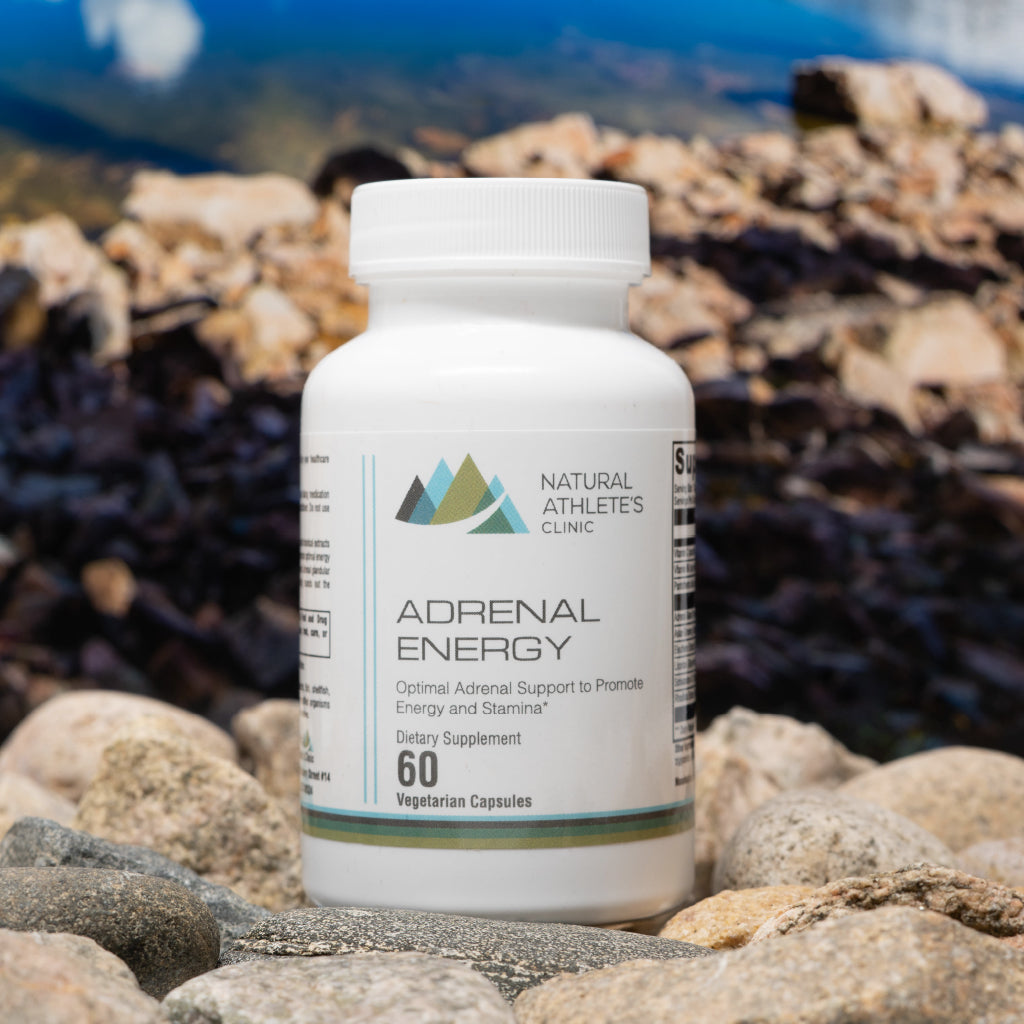
A. Adrenal fatigue can develop after periods of intense or prolonged physical or emotional stress. It typically occurs after the adrenal glands have been continually over stimulated making stress hormones. We recommend Adrenal B Complex, Rhodiola and DHEA to support & restore tired adrenal glands.
Q. How do enzymes work for tendonitis?
A. Enzymes help tendonitis by slowing the inflammatory processes at the site of the injury. They also help to ‘clean up’ the debris near the injury, speeding repair. Enzymes and natural anti-inflammatories like Phytoprofen, Traumeel, and Eskimo Pure EFA are a natural alternative to ibuprofen and other NSAID drugs and their side effects.
Q. How can I treat pain naturally?
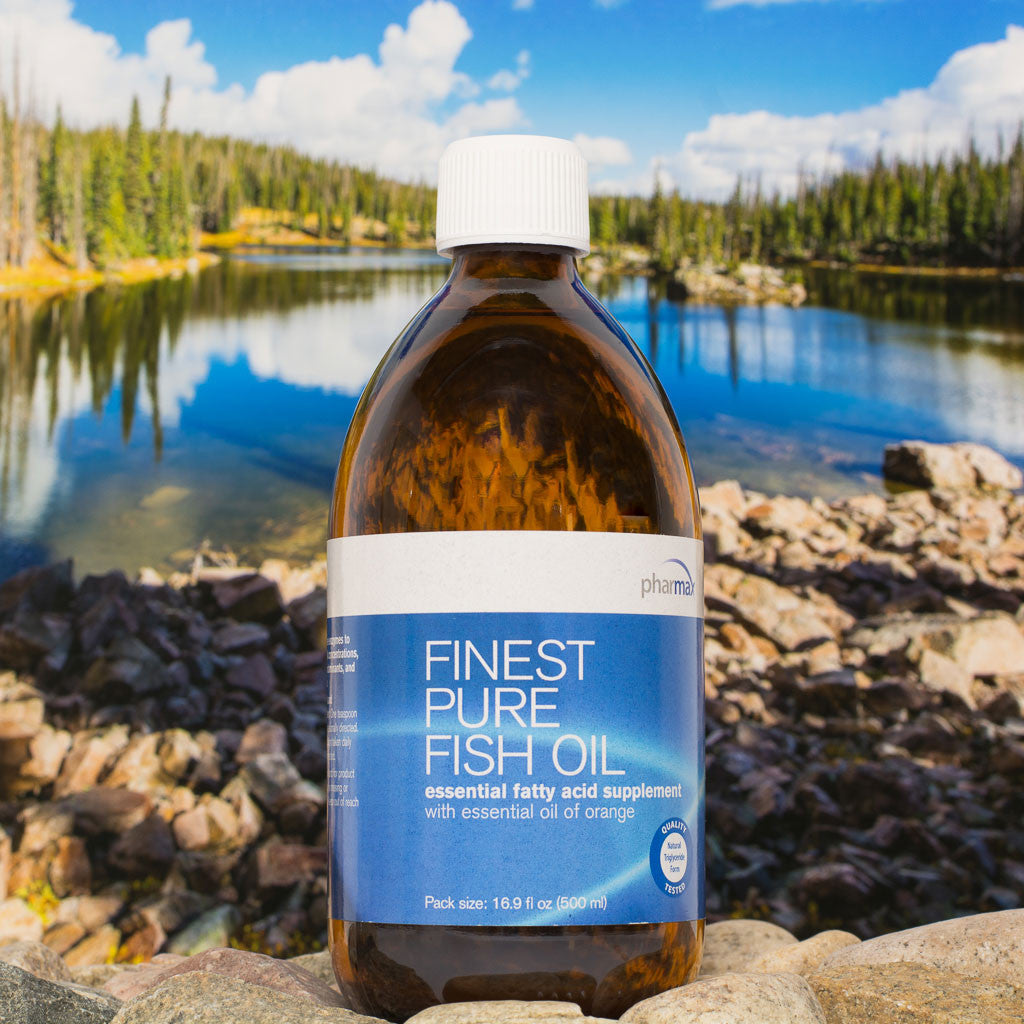
A. We have numerous natural pain solutions without the scary side effects of non-steroidal anti-inflammatories. Enzymes (Wobenzyme & Systemic Enzyme Complex) & fish oils (Finest Pure Fish Oil & Eskimo Pur EFA) can stop inflammation , Traumeel is a popular topical pain reliever, and Phytoprofen contains botanical pain relievers.
Q. What helps with my asthma?
A. Asthma is really an inflammatory condition. Fish oil, (Finest Pure Fish Oil & Eskimo Pur EFA) enzymes (Wobenzyme & Systemic Enzyme Complex), Magnesium Citramate, and Antioxidant can all help to decrease bronchial reactivity and wheezing. Identifying and removing food allergies is a big part of stopping asthma.
Q. I have osteoarthritis. What can I do for the pain?
A. The pain from osteoarthritis is caused by thinning of the cartilage inside the joint. Joint Support is a combination product containing ingredients that both stop pain and repair cartilage. Topically, the homeopathic pain reliever Traumeel works really well.
Q. How can I keep my bones at their strongest as I age?
A. While calcium is often the only recommended nutrient for bone health new research shows that nutrients like vitamin K, vanadium, boron and soy ipriflavone all contribute to maintaining strong bones as well. Osteo Formula contains all of these, plus highly absorbable calcium and other bone-supporting nutrients.
Q. How can I speed up the healing of a muscle tear?
A. Muscle tears are typically nasty injuries and that can take several months to heal. One natural compound that has shown promise in speeding repair is curcumin. Curcumin is an extract of the spice turmeric. It is available in a highly absorbable form known as Meriva-SR.
Q. How do you treat muscle cramps?
A. Muscle cramps are almost always due to an electrolyte deficiency. Of all the electrolytes, we find Magnesium Citramate to be the most effective at stopping muscle cramping on the run or at night.
Q. I have Plantar Fasciitis. Now what?
A. Plantar fasciitis requires a lot stretching and anti-inflammatory treatments like enzymes, (Wobenzyme & Systemic Enzyme Complex), fish oil, (Finest Pure Fish Oil & Eskimo Pur EFA) and anti-inflammatories (Phytoprofen, Ligament Restore) to restore ligament and tendon health.
Q. My feet hurt! What can I do?
A. A lot of foot pain is the result of improperly designed shoes, which are too narrow in the toe box (up front, where your toes go!). Modern shoes don’t allow for normal foot function, believe it or not. Read more about the solution, Correct Toes.
Q. I’ve heard that by competing in endurance sports, I am accelerating the aging process. Is that true?
A. Yes and No. A heavy amount of exercise produces a lot of free radicals. Free radicals cause damage throughout the body that is associated with aging. Supplementing with a powerful antioxidant is important if you are a heavy exerciser.
Q. Should I take an antioxidant?
A. We think so. Oxidation is associated with many aging processes. Supplementing with antioxidants can slow many age-related changes associated with oxidation in the body.
Q. I think my testosterone level is low. What should I do?
A. Low testosterone in men (and women) can cause a lot of health issues. The first step is to gain an understanding of this issue, and get tested. Once your results return, there are many options to support testosterone levels, safely and legally.
Q. I have pretty bad Premenstrual syndrome (PMS). What can I do to prevent this?
A. There are several natural ways to relieve PMS. Many women have a low progesterone level that contributes to PMS symptoms. Progesterone can be used safely to lessen symptoms. There are also other supportive products that can help a woman’s cycle be less stressful.
Q. I get sick all the time. Help!
A. The answer certainly isn’t more antibiotics. Your immune system needs support so that it can do a better job of fighting off infections. There are a number of immune-supportive agents available that will make you less susceptible to infections.
Q. I exercise all the time, but my blood pressure is high. What should I do?
A. If you have a tendency toward high blood pressure, it needs to be monitored by your doctor. We have found that by supplying the body with magnesium and other natural products (Heart Tension Formula, Cardio Health Formula) this can help lower blood pressure significantly.
Q. I still have high cholesterol even though I exercise a lot and eat a healthy diet. What else can I do?
A. There are two main natural products (Cholesterol Formula & Niasafe 600) that can help lower cholesterol to a safe level, without the side effects of prescription drugs.
Q. Seems like I’m getting more and more varicose veins as I age. Can I stop this?
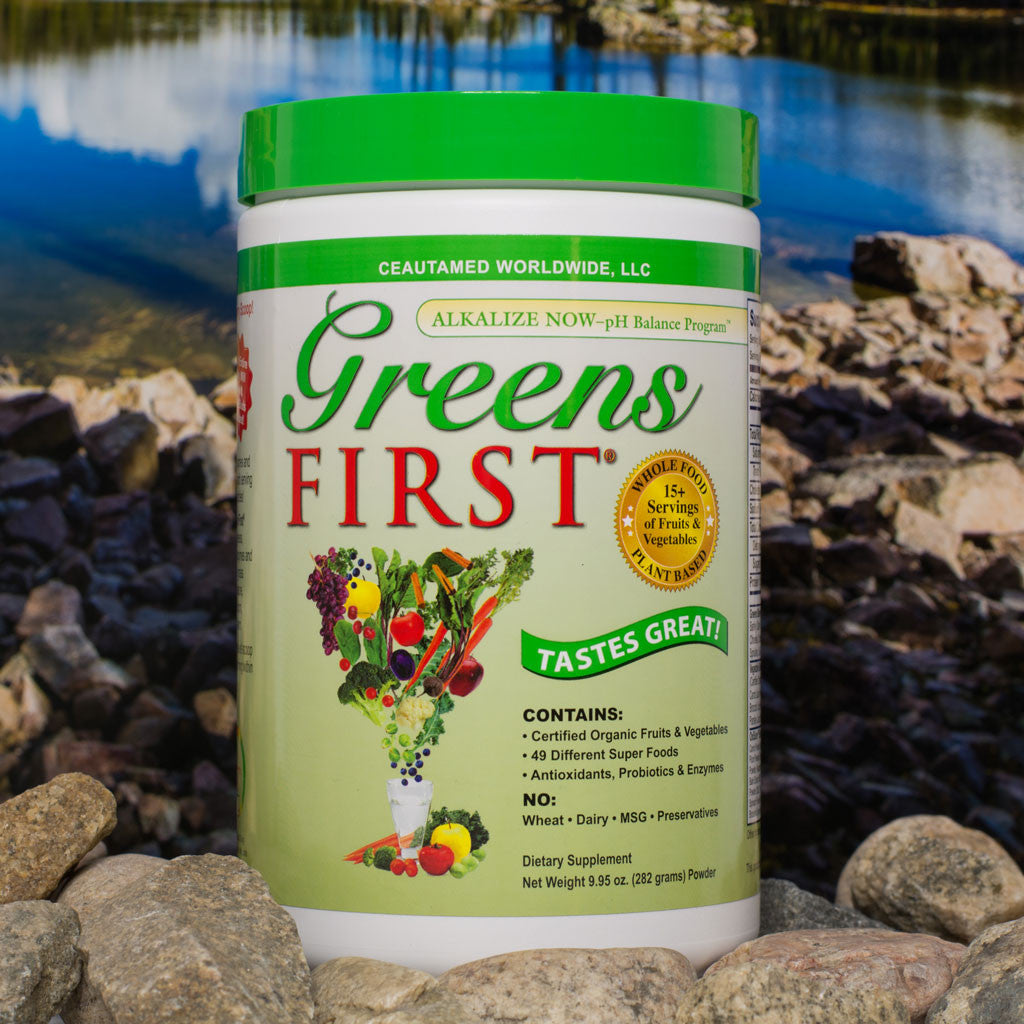
A. You can slow the process down. Natural compounds in berries (Greens First Berry) have blood vessel–strengthening properties, and a couple of botanical medicines can even reduce their size and appearance.
Q. I can’t sleep. Help!
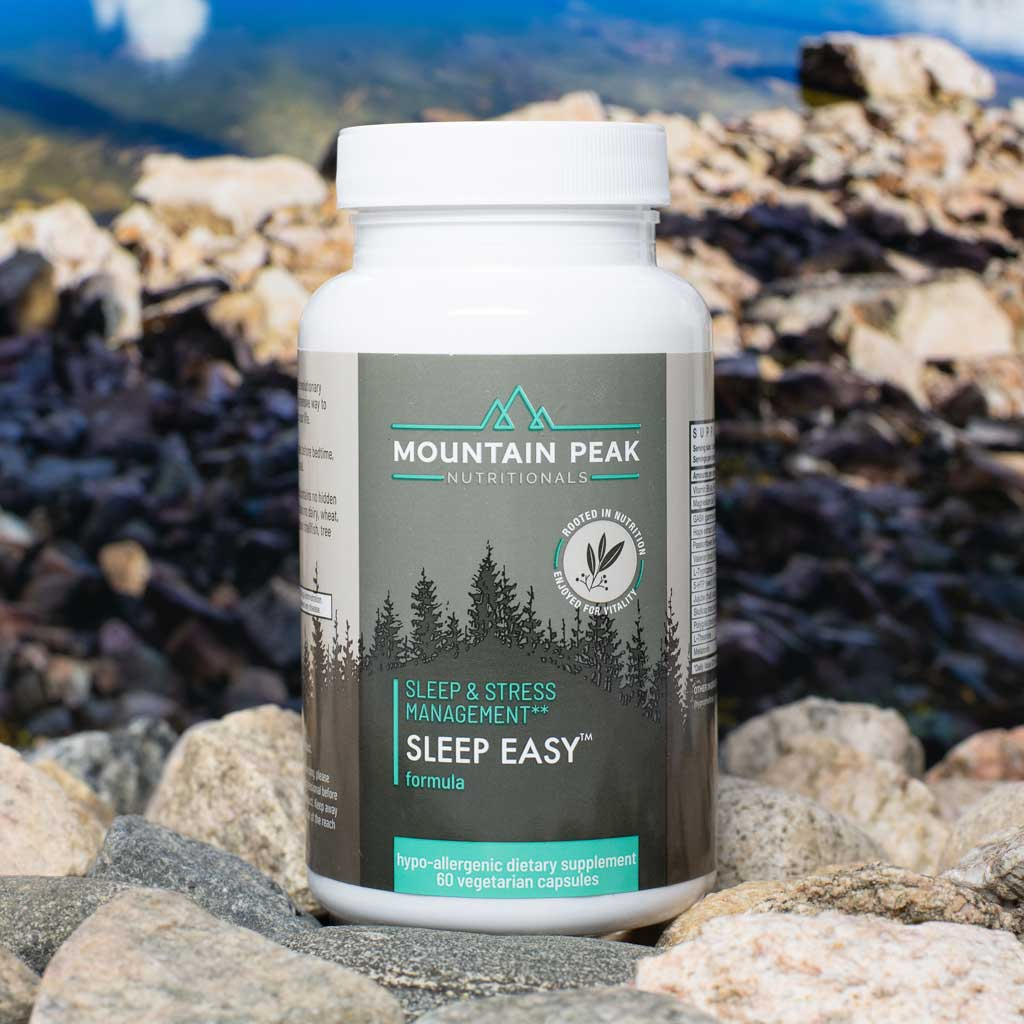
A. There are many different causes of insomnia. Melatonin and Sleep Easy are gently, yet effective sleep aids. Sometimes a person has elevated levels of the ‘stress’ hormone cortisol. (You can read more about cortisol in our blog about Adrenal fatigue) This can cause a lot of issues including insomnia. Cortisol Manager is ideal for this problem.
Q. Seems like after I eat, the food just sits there and doesn’t digest. Why is that?
A. This is most likely from a lack of digestive enzymes. Supplementing with digestive enzymes can improve digestion, and energy levels indirectly. Also you may want to cut back the amount of fluids you drink with your meals – fluids will dilute the gastric acid! Also, it is thought that our production of digestive enzymes declines with age.
Q. I get cramps and bloating during runs. Help!
A. Typically this has to do with the food you eat. Timing of meals is one approach, and if still problematic you need to look at testing for food sensitivities.
Q. When should I measure my blood pressure to get an accurate number?
A. The best time of day to get a ‘true’ reading of your resting blood pressure is upon awakening. Your blood pressure may be inaccurately high later in the day from stress, or physical activity. Heart Tension Formula, Cardio Health Formula and Magnesium Citramate can help to lower blood pressure naturally.
Q. How do antioxidants work?
A. Antioxidants are natural compounds that absorb free radicals. Free radicals are normal byproducts of metabolism, but they are damaging to the body in a number of ways. Exercisers should always supplement with a powerful antioxidant as exercise produces a lot of free radicals.
Q. How do I select a good supplement?
A. Become an educated consumer. Anything that comes with a heavy ‘sales pitch’, is overpriced, or promises fantastic results is a scam.
Q. Is it safe to mix natural medicines with prescription drugs?
A. Some natural medicines can, some cannot be taken with drugs. There are many online references for this information; always double check before mixing them. P.S. Most doctors receive about 2 hours of nutrition education– It’s highly unlikely they will have the answer. Do your own research. You can always contact Dr. Barker at The Natural Athlete's Clinic.com and he will be happy to help.
Q. I’m always tired. What can I do to boost my energy levels, safely?
A. Our favorite natural energy booster is an herb called Rhodiola. It has some performance-boosting effects as well.
Q. Is there a natural way to treat migraines?
A. One of the most effect natural migraine treatments comes from an extract of the herb butterbur, concentrated in the product Petadolex. Migraines have several causes including food sensitivities and hormone imbalances.
Q. What are GMP standards?
A. (GMP) Good Manufacturing Process standards are a set of regulations that manufacturers must adhere to in order to reliably produce safe, clean and potency-guaranteed natural products. Make sure any supplement you buy has GMP status.
Q. What is my IT band, and why does it hurt?
A. The Illiotibial band is a fibrous length of tissue extending from your hip (greater trochanter) to the outside of your knee. It works to stabilize the leg whenever you are upright – it takes a lot of abuse! Foam Roller pads are the best solution for a painful IT band.
Q. I always get some kind of tendonitis each season. What should I do?
A. Tendonitis is caused by inflammation. Natural anti-inflammatories include fish oils (Eskimo Pur EFA & Finest Pure Fish Oil), enzymes (Wobenzyme & Systemic Enzyme Complex) and botanical medicines like Phytoprofen.
Q. How can I treat my allergies naturally?
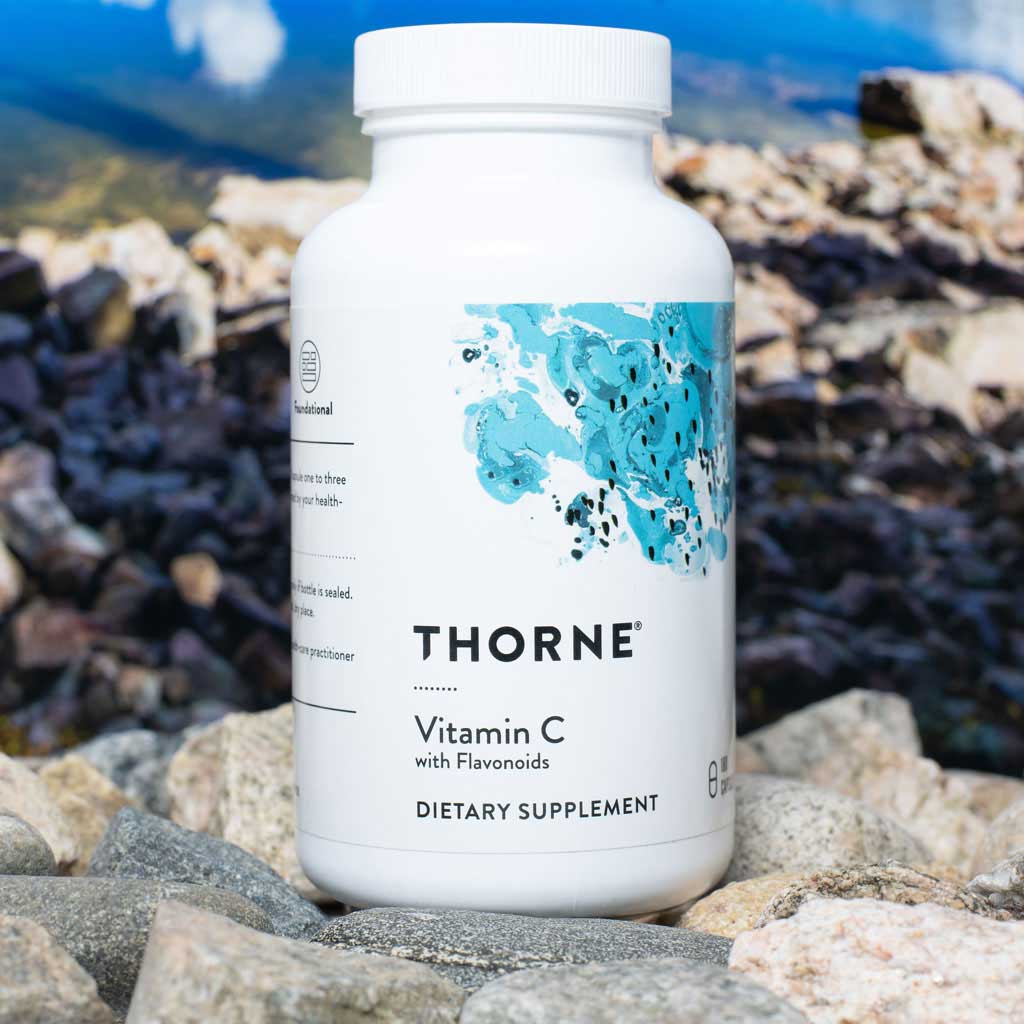
A. We have a several effective natural allergy remedies (that won't make you sleepy!). Try Aller G Plus, or Vitamin C with Bioflavonoids to stop seasonal and pet allergies. We've heard from a lot of our patients that Green First takes the edge off allergies as well.
Q. What do you recommend to optimize my performance?
A. Well that depends on what part of your performance is lacking!
Q. I’ve been told that I can’t have more than 3 cortisone injections for my tendonitis. What else can I do?
A. Prolotherapy is a natural way to heal weakened tendons and ligaments. Cortisone is great for putting fires out, but it can seriously weaken these structures leading to serious injury in the future.
Q. What are Bioidentical hormones?
A. These are natural hormones derived from plants that are biologically identical to those in the human body. Doctors prefer these to the synthetic (progestins) and pregnant mare-derived ‘estrogens’ that have a lot of scary side effects.
Q. I’m a female endurance athlete, and I’ve stopped menstruating. Although it’s convenient, I’ve heard this isn’t necessarily a good thing. What do you think?
A. No, this isn’t necessarily a good thing. This is part of the ‘female athletic triad’ that includes disordered eating and thinning bones. It is important to address this early on before too much damage occurs.
Q. I’ve heard that joint cartilage wears away with age. How can I preserve what I’ve got?
A. Glucosamine is really the only compound around that can repair and rejuvenate cartilage. But don’t wait…glucosamine works best when it has some ‘soil’, i.e. existing cartilage to work with.
Q. I’ve been told I have a viral infection, and that antibiotics won’t help it. Now what?
A. That’s true – there really are no effective drugs for viral infections once you have one. However, there are a number of effective immune-boosting supplements such as Acute Immune, Chronic Immune and Throat Mist that can kick an infection fast.
Q. I keep hearing about Vitamin D. What’s the deal?
A. A lot of great research has emerged around Vitamin D as of late. It has cancer preventive, immune-boosting properties. It’s one of the basic supplements that everyone should take.
Q. What is your opinion of all the ‘Detox and Cleanse’ programs out there?
A. We think most of them are crap – sorry -pun intended! MOST of them are just expensive laxatives. There is a right way and a wrong way to detox.
Q. I’ve heard I should limit the amount of Ibuprofen I take. Why is that?
A. Ibuprofen and other ‘NSAIDs’ are toxic to your kidneys and they prevent your cartilage from repairing itself. So it’s bad news to take during an event, and while it’s a good pain reliever, it damages the joints over the long term. We like natural pain relievers such as Phytoprofen, Wobenzyme, and Traumeel, of course!
Q. Should I take glucosamine with or without chondroitin?
A. No need for the chondroitin. Studies of glucosamine alone and glucosamine + chondroitin show no difference. Save some money and just use a glucosamine-based product. We get great results with Joint Support.
Q. I’ve heard about taking probiotics. What do you think?
A . Probiotics are beneficial strains of bacteria that can greatly improve digestive health and other conditions. They are one of the top supplements we can recommend.
Q. I’ve torn a lot of ligaments. What can I do to make them stronger?
A. Ligament Restore contains specialized nutrients that can specifically improve ligament strength, in addition to an injection technique known as prolotherapy.
Q. I’m being treated for hypothyroidism and my doctor says my thyroid hormone levels are normal, but I still feel tired. What should I do?
A. Your problem isn't enough thyroid medicine, it's that your thyroid is in need of the nutrients that it uses to create thyroid hormone. Thyroid supportive formulas can improve thyroid function.
Q. What is overtraining?
A. Overtraining is a complex collection of physical and mental symptoms when an athlete’s hormones become unbalanced as a result of excessive training.
Q. What are the symptoms of overtraining?
A. Symptoms include, but are not limited to; elevated resting heart rate, fatigue, insomnia, lethargy, and aches and pains. There are several other hormonal changes such as lowered testosterone and cortisol that make this a complex condition.
Q. Is there any natural product that will help my performance at altitude?
A. There is some evidence that the herb Rhodiola may offer some advantage. You can read more about altitude training here.
Q. What can I take nutritionally to enhance my recovery?
A. There is a lot you can do to enhance your recovery with nutrition. The best, most effective way to do this is by consuming a high-glycemic meal containing some protein as well within minutes after your exercise bout.
Q. I’m an endurance athlete. Should I take extra nutrients?
A. Absolutely. Your body is a finely tuned machine that requires all the nutrition it can get. Research indicates that endurance athletes require additional nutrients beyond that of a sedentary person.
Q. When is it safe to exercise if I’m sick with a cold?
A. Use the “Neck Check” – if you have any symptoms below your neck (cough, wheezing, fever, pain) you should wait until those symptoms resolve before exercising. Immune supportive products like Acute Immune are the best way to get over a cold.
Q. When can I get back to my regular work out routine after an illness?
A. Only once you feel ready – your body will definitely let you know! A good rule is to never push it. Being ‘tough’ really isn’t smart. You will do more damage and possibly prolong your illness if you jump back in before you are ready.
Q. I’ve read that endurance athletes are more prone to illness. How can I boost my immune function?
A. Endurance athletes are more prone to certain illnesses. We suggest taking Vitamin D, Chronic Immune and a good multivitamin along with a healthy plant-rich diet.
Q. I hear a lot about ‘detoxification’. What is it?
A. Detoxification is the process of removing biological toxins from the body. This involves targeting the liver, gallbladder and bowels to remove the accumulation of metabolic byproducts that may be in the body. We can help you get started on a true detox, not just expensive laxatives.
Q. Sometimes I feel ‘depressed’ but I don’t want to take an antidepressant because of the side effects. What else can I do?
A. 5-HTP is an amino acid that works really well for elevating low moods. Depressed moods have many causes, and anti-depressants have many side effects that active people can’t stand.
Q. Just exactly what is lactic acid and what does it do?
A. Lactic acid is a metabolic byproduct, specifically from anaerobic metabolism. Contrary to popular misconceptions, it does not cause post-exercise soreness. It can inhibit muscle function at very high intensities, but it also serves as a metabolic fuel. Magnesium can offset lactic acid production.
Q. I always hear people talking about ‘bonking’. Just what does that mean?
A. Bonking basically means that you’ve run out of fuel. Not good. Check out our sports nutrition guidelines to ensure this doesn’t happen to you, for Pete’s sake!
Q. I hear a lot about ‘inflammation’ in the body. What does that mean?
A. Inflammation is a very generalized term that can mean a lot of things. Basically it’s the body’s way of dealing with injury, which can be good in small doses but is detrimental when excessive or over long periods of time.
Q. Why do I always yawn before a race? I’m way excited (and even nervous) and I am anything but sleepy. What’s the deal?
A. Ha! No one really knows, but the latest theory is that yawning forces extra air into the lungs to “open” them up and it is thought that yawning happens as a way for the body to ‘relax’ and release anxiety right before a big event.
Q. What do you think of the ‘minimalist’ running shoes?
A. We like them! Running shoes are built with the notion that the human foot is intrinsically misshapen. Hmm… we think the Creator did a fine job on our feet and therefore we think “less is better” when it comes to footwear for runners.
Q. I keep hearing about fish oil. What does it do?
A. Fish oil contains two healthy fats, EPA and DHA. These fats promote heart health, healthy cholesterol levels and lower inflammation.
Q. What are Epsom salts?
A. Epsom salts were first made in Epsom, England. It is called ‘salt’ because of its chemical structure – it has nothing to do with sodium chloride, which is table salt. Epsom salts are actually made of magnesium sulfate. Great stuff for athletes!
Q. What do you think of ice baths?
A. We think they rock, but we are too chicken to get in them in the wintertime in Colorado. Ice baths are great for ‘toning’ up the legs after a brutal workout.
Q. How much training is too much?
A. It all depends on you, your goals and your physical health. Work with a good coach and don’t ‘overdo’ it.
Q. Does DHEA raise testosterone levels?
A. Only if you are a girl! Seriously. DHEA is a testosterone precursor, but that biochemical pathway only works in women. DHEA won’t do squat to raise a guy’s testosterone level.
Q. What do vitamins do for me?
A. Vitamins are ‘vital’ nutrients for the body. They serve as catalysts for the thousands of biochemical reactions that keep us alive. Vitamins are necessary components of our diets.
Q. What do minerals do for me?
A. Minerals work similarly to vitamins. They help catalyze the multiple biochemical reactions in our body. Minerals are necessary components of our diets.
Q. What are electrolytes, and why do I need them?
A. Electrolytes are the minerals sodium, potassium, calcium, magnesium and phosphorus. They have many functions in the body; sodium and potassium are important to athletes for hydration.
Q. What is a ‘Nutraceutical’?
A. ‘Nutraceutical’ is the term given to any natural medicine compound. It’s just a high-falutin’ way of saying ‘supplement’.
Q. Which sports drink is the best?
A. The one with the least artificial junk in it. We really like Acli-Mate.
Q. What should I eat before a race?
A. A high-glycemic, low fat, low protein food within one hour.
Q. What should I eat during a race?
A. Something made of carbohydrates that is easily digested.
Q. What should I eat after a race?
A. Something with a lot of high glycemic carbohydrates and protein.
Q. Which sports fuel is the best for me?
A. There are a lot of good fuels out there. Find one that you like the taste of, and most importantly the ones that your stomach can tolerate under race conditions. These are very similar to sports drinks - Read how to pick the best one here.
Q. How much water do I need to drink?
A. Generally, you will want to follow this equation for daily fluid intake (this should be adjusted depending on humidity and heat…) Divide your body weight by 2. This is how many ounces of fluid you should have on a daily basis. Example: 160 pounds divided by 2 equals 80. Drink 80 ounces of fluid daily.
Q. What’s the real benefit of Organic foods?
A. Organic foods aren’t coated in nasty pesticides and hormones. Pesticides are biological toxins meant to kill stuff. Hormones make things grow. You really don’t need either of these in your body.
Q. I’ve heard that eating protein at night raises my Growth Hormone. Is that true?
A. Yes, this is true.
Q. I’ve heard good and bad things about Soy. What do you think about it?
A. Well, this is why it’s referred to as ‘the soy controversy’.
Q. I’ve heard of Food Sensitivities. Will these hinder my performance?
A. The inability to tolerate certain foods leads to long-term aggravation of the immune system. Food sensitivities are linked to numerous health conditions. You can get tested for them yourself.
Q. What do you think of the “Paleo Diet”?
A. We’re not big fans of any ‘diets’, but as far as they go, the Paleo diet does make some good sense. Eat whole foods, not processed, fake food made in a factory.
Q. Which type of protein supplement do you recommend?
A. Whichever one suits your preferences. Animal-based proteins (including whey) provide more ‘miles to the gallon’ than plant-based proteins. However either will serve your needs.
Q. I’m trying to loose weight and cutting carbohydrates. Why am I so tired?
A. Carbohydrates are the main reason people gain weight. They are also an athlete’s primary fuel source. Athletes need to be careful about cutting carbs.
Q. What do you think of vegetarianism for athletes?
A. We think this is doable for certain people, but not everyone. Some folks do really well on a vegetarian diet, but most people just do not thrive. If you decide to go vegetarian, you need to work with a qualified sports nutritionist to make sure you are getting all the nutrients you need.
Q. Do athletes need extra nutrients, even if they eat a good diet?
A. Yes! Research shows that athletes require more nutrients than sedentary people. Using the body requires lots of energy, and extra nutrients in the form of supplements are necessary for optimal performance.
Q. Aren’t sports drinks just sugar water? Isn’t that bad for me?
A. Sports drinks are basically sugar, electrolytes and flavoring. They are necessary for optimal performance during events. They aren’t a good idea for sedentary people because of all the sugar.
Q. Will drinking an energy drink right before a workout help my performance?
A. Yes, it will. So-called energy drinks main ingredients are sugar and caffeine. Both will boost your energy levels in the short time. The more you use these however, the less benefit you will get.
Q. What are the best ‘power foods’ for athletes?
A. Athletes need a balance of complex and simple carbs, fats and protein. A balanced diet is your best bet. Be sure to include lots of darkly colored fruits and veggies in that diet for all of the awesome phytonutrients. We like Greens First and Greens First Berry because they contain all of those plant nutrients, and they taste good too!
Q. How do I know the difference between carbs, proteins and fats?
A. Carbohydrates are anything made from a plant. Proteins (mainly) come from animals. Fats are most often packaged with protein. There are plenty of exceptions to these rules, so check out our nutrition guidelines.
Q. Isn’t fat bad for athletes?
A. Absolutely, positively not!
Q. I remember “carbo loading” was a big deal. Is it still?
A. Well not really. Eating a pasta bomb the night before your event isn’t going to do too much for your performance. You need to continually consume the right carbohydrates immediately after each meal in weeks before your event, not just the night before.
Q. What do you think of the ingredients found in Energy drinks?
A. Not much. Most of the ingredients are surrounded by marketing hype pure and simple. Really, it’s the sugar and caffeine that will give you a boost. ALL of the other stuff is fluff. Take our word for it.
Q. What is brominated vegetable oil, and how does it help my performance?
A. Brominated vegetable oil is a Franken-fat so to speak. They put it in drinks to hold the coloring in solution, so they can sit on a shelf and not look any different. Brominated vegetable will definitely not make you faster or stronger.
Q. What is the difference between Grain-fed and Grass-fed beef?
A. Fat quality. Grass fed beef produce healthy, less-inflammatory fats in their tissue (which you eat) Grain fed beef produce more inflammatory-type fats. We strongly suggest you consume grass fed beef.
Q. What is the ideal recovery meal?
A. One that is healthy, wholesome and contains a balance of high glycemic carbs, some protein and maybe a little fat. It should be consumed within 30 minutes of your workout.